Address
304 North Cardinal
St. Dorchester Center, MA 02124
Work Hours
Monday to Friday: 7AM - 7PM
Weekend: 10AM - 5PM
Address
304 North Cardinal
St. Dorchester Center, MA 02124
Work Hours
Monday to Friday: 7AM - 7PM
Weekend: 10AM - 5PM
Electronic adhesive is a specialized industrial material engineered to address the unique precision, safety, and durability demands of electronic manufacturing. Unlike general-purpose adhesives, it is formulated to deliver reliable performance in the most sensitive electronic environments, making it a cornerstone of consumer electronics, automotive electronics, industrial control systems, and medical device production.
In consumer electronics, electronic adhesive secures delicate components such as microchips, sensors, and display panels to printed circuit boards (PCBs), preventing displacement caused by mechanical shocks or thermal expansion. It also seals gaps in device housings to block moisture, dust, and contaminants, extending the lifespan of smartphones, laptops, and wearable devices. For automotive electronics, this bonding material plays a critical role in securing engine control units (ECUs), sensor modules, and wiring harnesses, withstanding extreme temperatures, vibration, and chemical exposure to ensure reliable performance on the road.
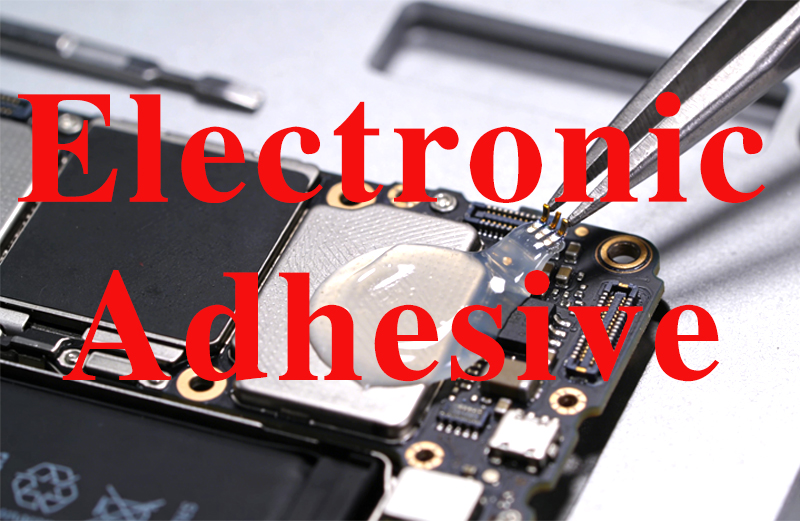
One of the most compelling strengths of electronic adhesive is its exceptional substrate compatibility. It forms strong, durable bonds with a wide range of electronic materials, including metals (aluminum, copper), engineering plastics (ABS, PC), ceramics, and PCB laminates, without causing corrosion or degradation to sensitive components. This versatility eliminates the need for multiple adhesive types, simplifying inventory management and production workflows.
Flame-retardant formulations of electronic adhesive meet stringent international safety standards such as UL 94 V-0 and IEC 60335, providing critical fire protection in high-temperature operating environments. After curing, it forms a flexible, elastic layer that absorbs mechanical shocks and accommodates thermal expansion and contraction, preventing component damage caused by stress concentration. Additionally, many electronic component adhesives offer excellent electrical insulation properties, preventing short circuits and current leakage in densely packed circuit designs.
From a production perspective, electronic adhesive streamlines assembly processes. Available in cartridge, syringe, and bulk packaging, it can be applied manually or via automated dispensing systems, enabling precise, consistent placement for both small-batch prototyping and large-scale assembly lines. Fast-curing formulations reduce production cycle times, while low-odor, solvent-free options align with modern environmental and workplace safety requirements.
Selecting the optimal electronic adhesive requires careful consideration of your application’s specific operating conditions and performance requirements. Start by identifying the substrate materials you will be bonding, as some adhesives are formulated specifically for plastics or metals, while others offer universal compatibility. Next, evaluate the operating temperature range: high-temperature electronic adhesives are essential for automotive and industrial applications, while room-temperature curing options are ideal for consumer electronics.
Flame retardancy is another critical factor, especially for devices used in high-risk environments. Look for products certified to industry standards such as UL 94 or IEC 60335 to ensure compliance. Finally, consider the desired curing method and application method: UV-curing adhesives offer instant bonding for high-volume production, while heat-curing options provide superior long-term strength.
For further guidance, explore our full range of high-temperature electronic adhesives or review IPC guidelines for electronic assembly adhesives. You can also learn more about flame-retardant standards for electronic materials from IEC 60335 to ensure your designs meet global safety requirements.
As electronic devices continue to shrink in size and increase in complexity, the demand for high-performance electronic adhesive will only grow. Advanced formulations are already being developed to meet emerging needs, such as ultra-thin bonding for flexible displays and biodegradable options for sustainable electronics. By choosing the right electronic adhesive, manufacturers can not only improve product reliability and safety but also drive innovation in the next generation of electronic devices.
Choose our reliable electronic adhesive solutions—bond with precision, secure your electronic future!